
Key Takeaways
-
Chiropractors effectively treat muscle pain by addressing both joint dysfunction and soft tissue problems using a holistic approach
-
Treatment combines spinal adjustments with muscle therapy techniques like trigger point therapy, myofascial release, and massage
-
Most muscle pain stems from joint restrictions and spinal misalignments that cause compensatory muscle tension and knots
-
Chiropractic care for muscle pain typically requires 2-3 visits per week initially, with sessions becoming less frequent as symptoms improve
-
The treatment is safe for all ages, with minor soreness lasting 24 hours being the most common side effect
Muscle pain affects millions of people worldwide, limiting daily activities and reducing quality of life. While many turn to medications for relief, an increasing number are discovering how a muscle pain chiropractor can provide effective, drug-free treatment that addresses the root causes rather than just masking symptoms. Chiropractic care offers a comprehensive approach that combines spinal manipulation with targeted muscle therapy techniques to restore normal function and alleviate symptoms related to musculoskeletal dysfunction.
Unlike conventional treatment that often focuses solely on the painful muscle, chiropractors understand that muscle pain frequently originates from joint dysfunction, spinal misalignments, and nerve irritation. This interconnected approach recognizes the body as one connected system where problems in one area can lead to compensatory issues elsewhere. Research shows that chiropractic treatment can provide significant relief for various muscle pain conditions, making it an increasingly popular choice for those seeking natural, effective solutions.
How Chiropractors Treat Muscle Pain
A muscle pain chiropractor uses a comprehensive approach that targets both the skeletal and muscular systems to provide lasting relief. This holistic treatment strategy recognizes that muscle pain often originates from underlying joint dysfunction, spinal misalignments, and nerve irritation that create a cascade of problems throughout the musculoskeletal system.
The treatment process addresses root causes rather than just symptoms, examining how joint restrictions and spinal dysfunction can lead to compensatory muscle tension, spasms, and trigger points. By restoring normal joint movement and alignment, chiropractors can reduce the mechanical stress on surrounding muscles and break the pain cycle that keeps patients suffering.
A holistic assessment examines the entire musculoskeletal system to identify interconnected problems. During the physical exam, the chiropractor evaluates posture, movement patterns, and how different body regions work together. This comprehensive evaluation helps identify primary dysfunction areas and secondary compensation patterns that contribute to ongoing muscle pain.

Spinal Manipulation for Muscle Relief
Spinal manipulation, also called spinal manipulation therapy, involves applying controlled force to specific joints to restore normal movement and alignment. This technique, known as chiropractic adjustments, uses high-velocity, low-amplitude thrusts delivered to spinal motion segments with restricted mobility.
The mechanical effects of spinal manipulation help reduce nerve irritation that causes muscle tension and spasms. When spinal joints become restricted or misaligned joints lose proper movement, nearby nerves can become irritated, sending signals that cause reflexive muscle guarding and spasm. By restoring normal joint function, chiropractors can reduce this nerve irritation and allow tight muscles to relax.
Spinal manipulation also improves joint mobility, which decreases compensatory muscle tightness throughout the kinetic chain. When one area of the spine loses mobility, other joints and surrounding muscles must work harder to compensate, leading to overuse and pain. Restoring proper spinal movement helps normalize muscle activation patterns and reduces excessive tension.
The popping or cracking sounds often heard during chiropractic adjustments are completely normal and indicate gas release from joint capsules. This cavitation occurs when the controlled force creates a temporary vacuum in the joint space, causing dissolved gases to form bubbles that quickly collapse, producing the characteristic sound.
Soft Tissue Therapy Techniques
Beyond spinal manipulation, chiropractors employ various muscle therapy techniques to address soft tissue dysfunction directly. These approaches target fascia restriction, muscle knots, and trigger points that contribute to ongoing pain and movement limitations.
Myofascial release addresses fascial restrictions and improves tissue flexibility throughout the body. Fascia is the connective tissue that surrounds muscles, and when it becomes tight or restricted, it can limit muscle movement and contribute to pain. Chiropractors use sustained pressure and stretching techniques to release these restrictions and restore normal tissue glide.
Trigger point therapy targets specific muscle knots and tender points that refer pain to other areas. These hyperirritable spots within muscle fibers can cause significant discomfort and dysfunction. By applying pressure to trigger points, chiropractors can deactivate these painful areas and restore normal muscle function.
Deep tissue massage techniques reduce muscle tension and improve circulation to affected areas. This approach helps break up adhesions, reduce inflammation, and promote healing in damaged soft tissues. The improved blood flow delivers nutrients and oxygen while removing metabolic waste products that contribute to muscle pain.
Some chiropractors also use dry needling for chronic muscle pain and trigger point deactivation. This technique involves inserting thin needles into trigger points to stimulate a healing response and reduce muscle tension.
Common Muscle Pain Conditions Treated
Chiropractors address a wide range of muscle-related conditions using their comprehensive approach to musculoskeletal health. These conditions often involve complex interactions between joints, muscles, nerves, and other soft tissues that require skilled assessment and targeted treatment.
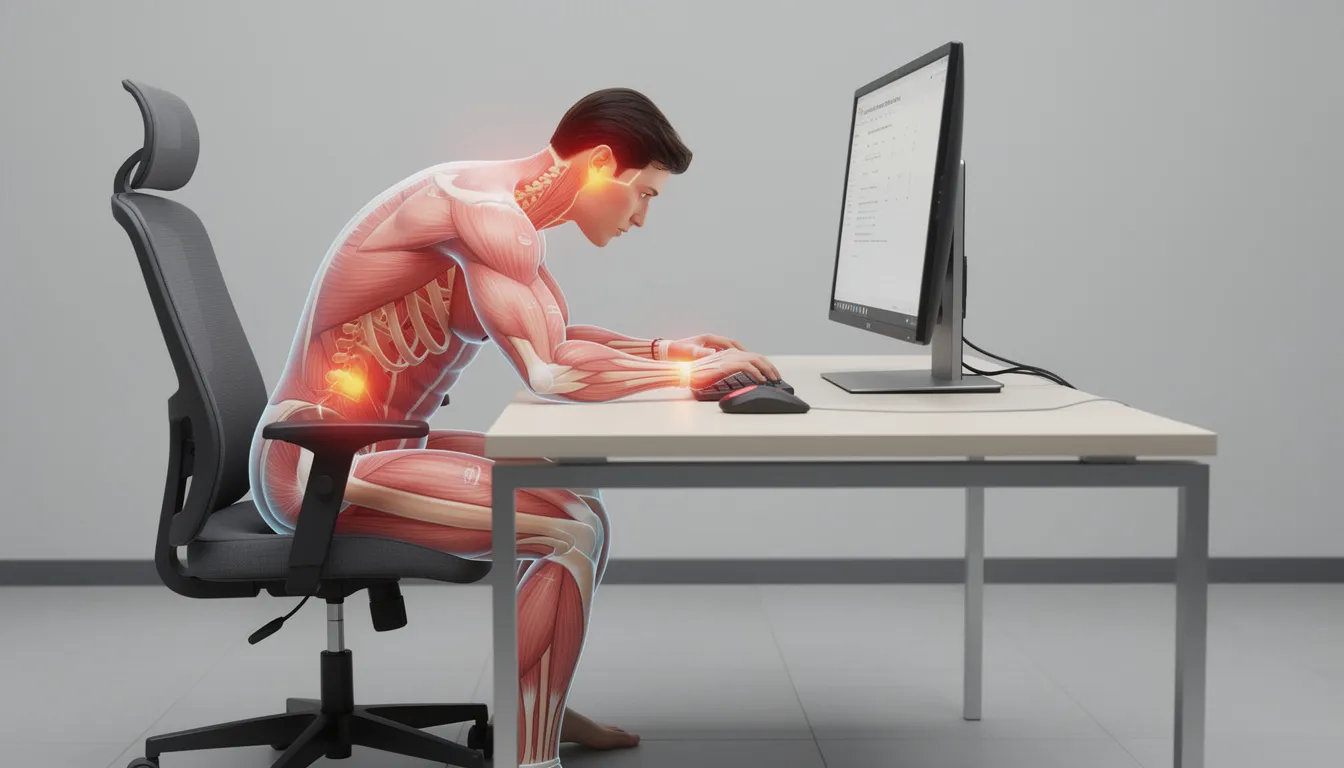
Chronic neck pain and shoulder tension from poor posture or desk work represent some of the most common reasons patients seek chiropractic care. Modern work environments often force people into prolonged forward head posture, rounded shoulders, and increased upper back curvature. This leads to overuse of muscles like the upper trapezius, levator scapulae, and suboccipital muscles, creating tension headaches and neck pain that can persist for months or years.
Lower back muscle spasms and sciatica-related leg pain affect millions of people annually. These conditions often result from joint dysfunction in the lower spine that causes protective muscle guarding and nerve irritation. The resulting muscle spasms can be severely limiting, while nerve irritation may cause shooting pain, numbness, and weakness extending into the legs.
Sports-related muscle strains and delayed onset muscle soreness require specialized treatment approaches that consider the athlete’s specific sport demands and training schedule. Chiropractors help athletes recover from acute soft tissue injuries while addressing underlying biomechanical issues that predispose them to future problems.
Tension headaches caused by tight neck and shoulder muscles respond well to chiropractic treatment that addresses both spinal dysfunction and muscle tension. Many headaches originate from cervical spine problems that create referred pain patterns extending into the head and face.
Fibromyalgia and widespread muscle pain syndromes present unique challenges that benefit from the gentle, holistic approach of chiropractic care. These conditions often involve central nervous system dysfunction that amplifies pain signals, requiring careful treatment that doesn’t exacerbate symptoms.
What to Expect During Treatment
Understanding the chiropractic treatment process helps patients prepare for their care and set realistic expectations for recovery. The comprehensive approach involves detailed assessment, targeted treatment, and ongoing monitoring to ensure optimal outcomes.
Initial Consultation and Assessment
The first visit begins with a comprehensive health history review focusing on pain patterns, triggers, and aggravating factors. The chiropractor will ask detailed questions about when the pain started, what makes it better or worse, previous injuries, work activities, exercise habits, and overall health status.
A thorough physical exam includes posture analysis, range of motion testing, and muscle palpation to identify areas of dysfunction. The examination process involves observing how patients move, testing joint mobility, checking muscle strength, and palpating muscles and joints to locate tender points, trigger points, and areas of restriction.
Key components of the assessment may include:
-
Posture and movement observation
-
Range of motion testing
-
Palpation for tender or restricted areas
-
Strength and neurological testing
Orthopedic and neurological tests help identify underlying causes and rule out serious conditions that might require medical referral. These specialized tests evaluate nerve function, joint stability, and specific movement patterns that can reveal the source of muscle pain and guide treatment decisions.
X-rays or other imaging studies may be ordered if structural problems are suspected or if red flags suggest serious underlying pathology. While not always necessary for muscle pain conditions, imaging can provide valuable information about bone alignment, degenerative changes, and other factors affecting treatment planning.
The verification successful waiting period allows the chiropractor to review all assessment findings and develop an appropriate treatment plan. This comprehensive evaluation ensures that the most effective and safe treatment approach is selected for each individual patient.

Treatment Sessions
Typical treatment sessions last 30–45 minutes and combine multiple therapeutic approaches tailored to each patient’s specific needs. The session structure usually begins with the most critical interventions and progresses through various treatment modalities.
Spinal adjustments are typically performed first to address joint restrictions and restore normal movement patterns. These chiropractic adjustments focus on areas of segmental hypomobility or joint dysfunction identified during the assessment. The chiropractor applies controlled force to specific spinal segments to improve mobility and reduce nerve irritation.
Muscle therapy techniques are then applied to target specific problem areas identified during palpation and assessment. This might include trigger point therapy for muscle knots, myofascial release for fascial restrictions, or soft tissue mobilization to improve circulation and reduce tension.
Common techniques used in treatment sessions include:
-
Spinal adjustments
-
Trigger point therapy
-
Myofascial release
-
Soft tissue mobilization
Home exercise instructions and ergonomic recommendations are provided to support the healing process and prevent recurrence. Patients receive specific exercises targeting weak muscles, stretches for tight areas, and modifications to daily activities that contribute to their pain. This education component is crucial for long-term success and patient empowerment.
Additional modalities may be used as needed, including therapeutic ultrasound, electrical stimulation, or heat/cold therapy to reduce inflammation and promote healing in affected tissues.
Treatment Frequency and Duration
Acute muscle pain may require daily or twice-weekly visits initially to provide rapid symptom relief and prevent chronicity. The immediate relief obtained through chiropractic adjustments and soft tissue work can help patients avoid prolonged disability and return to normal activities more quickly.
Chronic conditions typically need 2–3 sessions per week for 4–6 weeks to address long-standing dysfunction and allow tissues time to heal and adapt. These conditions often involve complex changes in muscle tone, joint mobility, and movement patterns that require consistent treatment to reverse.
Maintenance care may involve monthly visits for ongoing muscle health and prevention of future problems. Many patients benefit from periodic check-ups to address minor issues before they become major problems and to maintain optimal function of their musculoskeletal system.
Treatment plans are adjusted based on:
-
Patient response
-
Functional improvements
-
Pain reduction
-
Objective exam findings
Successful cases typically show measurable progress within the first 2–3 weeks.
Benefits of Chiropractic Care for Muscle Pain
Chiropractic treatment offers numerous advantages over conventional medical approaches for managing muscle pain. These benefits extend beyond simple symptom relief to include improvements in overall health and function that can have lasting impacts on quality of life.
Drug-free pain relief eliminates the risk of medication side effects and dependency that often accompany pharmaceutical approaches. Many patients prefer avoiding the potential gastrointestinal, cardiovascular, and neurological side effects associated with long-term pain medication use. Chiropractic care provides effective relief without these concerns.
The treatment addresses root causes rather than masking symptoms temporarily, leading to more sustainable improvements. While medications may provide temporary relief, they don’t correct the underlying joint dysfunction, muscle imbalances, or movement patterns that create muscle pain. Chiropractic care targets these fundamental issues for lasting results.
Additional benefits often include:
-
Improved biomechanics and movement patterns
-
Prevention of future muscle issues
-
Cost-effective care compared to injections or surgery
-
Safe treatment options for all ages
Chiropractic treatment improves overall body function and prevents future muscle problems by restoring normal biomechanics and movement patterns. Patients often report improvements in areas beyond their original complaint as their body’s natural healing mechanisms are enhanced and compensatory patterns are corrected.
This approach represents a cost-effective alternative to injections or surgery for many conditions. Conservative chiropractic care often provides similar or better outcomes at a fraction of the cost of more invasive procedures, making it an attractive option for both patients and healthcare systems.
The treatment is suitable for all ages, from children to seniors with chronic pain conditions. Chiropractors modify their techniques based on patient age, condition severity, and individual tolerance to ensure safe and effective care across all populations.

Safety and Effectiveness
Clinical research strongly supports the safety and effectiveness of chiropractic care for muscle pain conditions. Understanding the evidence base and safety profile helps patients make informed decisions about their healthcare options.
Serious complications are extremely rare when treatment is performed by licensed professionals who follow proper assessment and treatment protocols. The most comprehensive safety studies indicate that severe adverse events occur in less than one per million treatments, making chiropractic among the safest healthcare interventions available.
Common side effects include mild soreness or fatigue lasting 24-48 hours after treatment, similar to delayed onset muscle soreness experienced after exercise. This temporary discomfort typically indicates that tissues are responding to treatment and beginning the healing process.
Clinical studies demonstrate effectiveness for lower spine related conditions, neck pain, and tension headaches, with effect sizes comparable to other recommended conservative treatments. Research shows that spinal manipulation can provide approximately 10-point improvements on 0-100 pain scales, which represents clinically meaningful relief for most patients.
Major medical organizations now recommend chiropractic care as first-line conservative treatment for many musculoskeletal conditions. Guidelines from organizations like the American College of Physicians include spinal manipulation among recommended non-pharmacologic treatments for acute and chronic low back pain.
The nervous system responds positively to chiropractic treatment, with research showing improvements in pain processing, muscle activation patterns, and overall function. These neurological effects help explain why patients often experience benefits that extend beyond the specific area being treated.
When to See a Chiropractor for Muscle Pain
Recognizing when to seek chiropractic care can help patients access effective treatment before their condition becomes chronic or more difficult to resolve. Early intervention often leads to better outcomes and shorter treatment durations.
Persistent muscle pain lasting more than 72 hours without improvement warrants professional evaluation, especially if the pain is limiting daily activities or affecting sleep quality. While minor muscle strains often resolve on their own, persistent pain may indicate underlying joint dysfunction or other issues requiring professional treatment.
Recurrent muscle spasms or tension affecting daily activities suggest underlying biomechanical problems that benefit from chiropractic assessment and treatment. These recurring episodes often indicate that the initial cause hasn’t been properly addressed and that compensatory patterns are developing.
Muscle pain accompanied by joint stiffness or limited range of motion points to combined muscle and joint dysfunction that responds well to chiropractic care. This combination of symptoms often indicates that both spinal manipulation and soft tissue work will be necessary for optimal results.
Work-related muscle strain from repetitive motions or poor ergonomics can be effectively addressed through chiropractic treatment combined with workplace modifications. Chiropractors can assess work-related risk factors and provide specific recommendations to prevent future problems.
Sports injuries involving muscle strains or overuse syndromes benefit from the biomechanical expertise of sports-trained chiropractors. These practitioners understand the specific demands of different sports and can design treatment programs that facilitate return to activity while reducing reinjury risk.
When muscle pain is accompanied by headaches, this often indicates cervical spine involvement that responds well to chiropractic treatment. The connection between neck dysfunction and headache patterns makes chiropractors particularly effective for these combined symptoms.
Frequently Asked Questions
How quickly can I expect relief from muscle pain with chiropractic treatment?
Many patients experience some improvement within 2-3 treatment sessions, typically within the first week of care. The speed of response depends on several factors including the duration of symptoms, severity of dysfunction, and individual healing capacity. Acute muscle pain often responds faster than chronic conditions that have developed over months or years. Complete resolution usually takes 4-8 weeks depending on the underlying causes and patient compliance with treatment recommendations. Some patients notice immediate relief after their first adjustment, while others may require several sessions before significant improvement occurs.
Is chiropractic treatment painful for muscle pain?
Most chiropractic treatments are not painful, though some techniques may cause temporary discomfort similar to deep tissue massage. The chiropractor treats muscle pain using techniques designed to be as comfortable as possible while still being effective. Patients may experience mild soreness for 24-48 hours after treatment, similar to what one might feel after starting a new exercise program. Deep tissue work and trigger point therapy can be temporarily uncomfortable but should not cause severe pain. Chiropractors continuously monitor patient comfort and adjust their techniques accordingly. If you lie face down during certain procedures, positioning aids ensure comfort throughout the treatment session.
Can chiropractors treat muscle pain without spinal adjustments?
Yes, chiropractors can focus solely on soft tissue therapies if spinal manipulation is not appropriate for a particular patient. Treatment options include therapeutic massage, myofascial release, ultrasound therapy, electrical stimulation, and exercise rehabilitation. This approach is often used for patients with certain medical conditions, those who prefer gentler techniques, or when the primary problem is in muscles and other soft tissues rather than joints. The treatment approach is always customized based on patient preferences, condition severity, and any specific contraindications. Many chiropractors are trained in multiple techniques and can adapt their approach to meet individual needs while still providing effective muscle pain relief.
Do I need a referral from my doctor to see a chiropractor for muscle pain?
No referral is typically required as chiropractors are primary healthcare providers in most states and can be consulted directly for musculoskeletal complaints. However, some insurance plans may require referrals for coverage, so it’s wise to verify your specific plan requirements beforehand. Self-referral is common and allows for immediate access to conservative treatment options without delays. This direct access can be particularly beneficial for acute muscle pain conditions where early intervention often leads to better outcomes. If serious complications or underlying medical conditions are suspected during the examination, chiropractors will refer patients to appropriate medical specialists for further evaluation.
Will my insurance cover chiropractic treatment for muscle pain?
Most major insurance plans, including Medicare, cover chiropractic care for musculoskeletal conditions like muscle pain. Coverage typically includes spinal manipulation and may extend to associated soft tissue therapies and rehabilitative exercises. However, coverage limits, copays, and specific requirements vary significantly between providers and individual plans. Some plans limit the number of visits per year, require pre-authorization, or have specific diagnostic requirements. It’s recommended to contact your insurance provider before beginning treatment to understand your specific benefits, any required documentation, and potential out-of-pocket costs to avoid unexpected expenses.
Contact Central Chiropractic today for more information.

%20-%202026-07-23T164307.914.jpg)